Food Safety Compliance Cleaning
Your operation requires consistent cleaning schedules tailored to unique hazards, processing volumes, food allergens, and inspection schedules, with verifiable documentation confirming HACCP requirements, compliance audits, and public health regulations. The details below give guidance on sanitation program requirements.
Key Takeaways
- Sanitation professionals from Brampton support restaurants, grocery departments, commissaries, warehouses, bakeries, schools, mobile vendors, and allergen-sensitive operations.
- High-touch surfaces, food-contact equipment, kitchens, floors, drains, restrooms, and storage areas are sanitized using sectional methods to prevent cross-contamination.
- Filing of finalization through swabs, audits, and remedial documentation validates trained providers have verified proper chemical concentration, compatibility, and exposure duration.
- Danger, output capacity, changeovers, accidents, and standards need to direct maintenance plans, with daily, regular, and annual tasks allocated by area.
- Pick suppliers with HACCP, health regulatory, expertise, safety training, preparation, protection, testimonials, colour-coded equipment, and inspection-ready cleaning paperwork.
Food Safety Cleaning Requirements for Brampton Venues
Any Brampton facility that handles, maintains, prepares, packages, or offers food needs sanitation protocols. You must implement it if your facility falls under health inspection, premises standards, or HACCP protocols. That requirement covers dining establishments, break rooms, food warehouses, market sections, butcheries, seafood areas, retail shops, and facility kitchens.
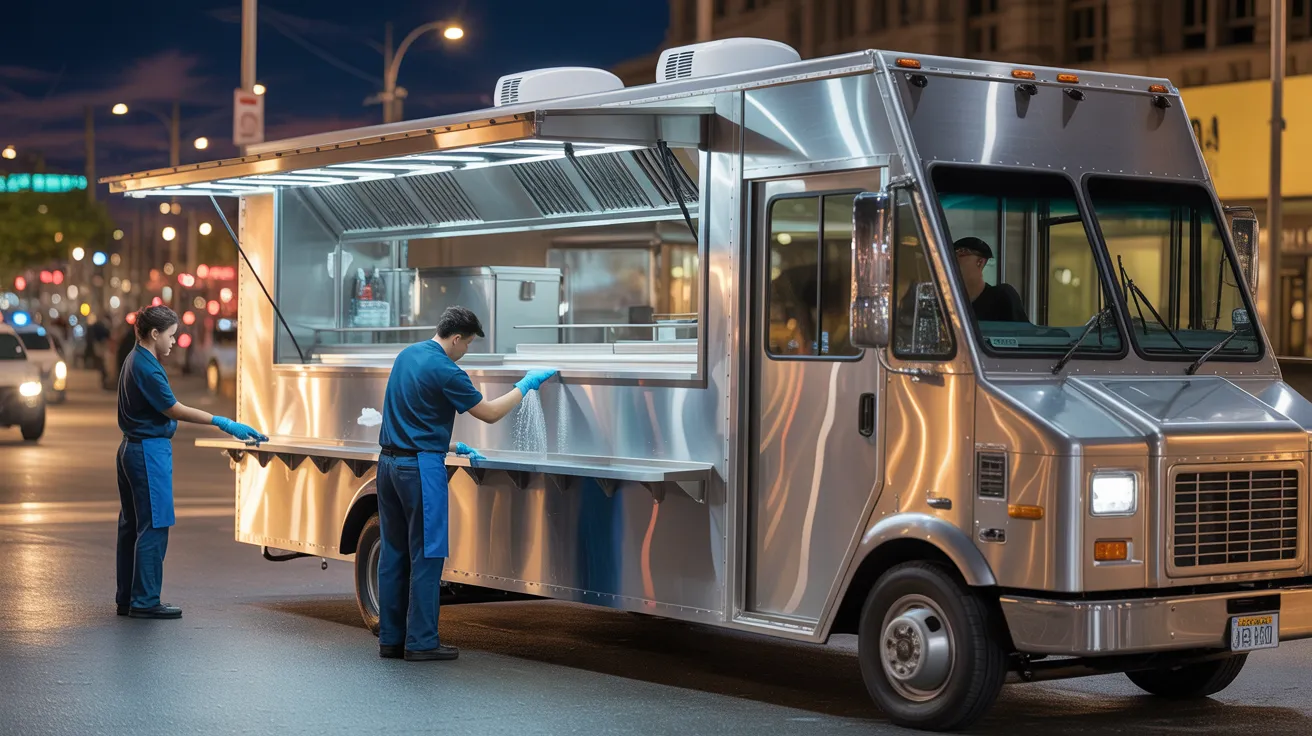
You also need adherent sanitation protocols in warehouses, food manufacturing plants, cold storage sites, retail bakeries, school nutrition programs, banquet halls, and meal delivery hubs. Temporary and mobile establishments count too, including mobile kitchens, festival sellers, and temporary food stands. If your staff process ingredients, portion ready-to-eat items, reheat products, or store allergens, your facility needs documented cleaning protocols. In Brampton, sanitation isn't optional; it's part of statutory, business, and public health compliance.
What Do Brampton Cleaning Experts Clean?
Your operation needs cleaning professionals who sanitize all high-touch areas, kitchens, all floor types, and toilet facilities to maintain food safety compliance and public health standards. These specific areas are emphasized because they represent the most significant contamination risk, trip and slip dangers, and breaches of sanitation codes.
If you comprehend their cleaning services, you'll successfully ensure your operation satisfies required operational and regulatory standards.
High-Touch Surface Disinfection
assign how often each zone is sanitized
Maintaining a one-way process, rotating cloths, and dividing sanitization equipment according to section ensures that cleaning stays quantifiable, auditable, and compliance-ready consistently
Cooking Zones, Walking Surfaces, and Restroom Environments
Professional cleaners in Brampton concentrate on kitchens, floors, and restrooms given that each location involves specific contamination control, falling hazards, and health code requirements. In industrial kitchens, you need grease removal from cooking stations, appliance surfaces, drain systems, preparation areas, and backsplashes to reduce contamination and pest pressure.
Floor care that is documented should also be anticipated. Technicians clean and remove buildup from tile grout, ceramic surfaces, and vinyl floors, then apply suitable dehydration methods so you can limit falls and maintain code-compliant conditions. They also handle entryways where moisture and debris migrate indoors.
In restrooms, cleaners treat touchpoints, fixtures, partitions, dispensers, and waste containers then refill supplies and eliminate odor. They also service restaurant moprooms, where chemical storage, sink hygiene, and drainage conditions can affect sanitation compliance and staff safety daily.
Food Safety Cleaning Significance for Brampton Businesses
Brampton operations require food-safe cleaning standards to fulfill compliance obligations and pass inspections. You also reduce bacterial spread through proper cleaning of food-preparation surfaces, appliances, and frequently-touched items. Most importantly, you safeguard public health by lowering the risk of foodborne illness in your facility.
Sanitary Standards Adherence
Since Brampton food establishments must follow mandatory safety protocols, your sanitation practices directly impacts your capability to fulfill health codes, ensure the safety of diners, and sidestep regulatory penalties. You must maintain hygienic food handling zones, recorded sanitation plans, correct sanitizer application, and documented employee protocols that meet municipal and provincial inspection expectations.
Should your cleaning standards weaken, you Brampton Commercial Cleaning Services risk violations, corrective orders, loss of reputation, and possible interruption to service during subsequent audits or compliance actions.
Cross-Contamination Avoidance
Meeting regulatory requirements also depends on your ability to prevent cross-contamination during routine food preparation and sanitation. You must separate raw ingredients from ready-to-eat foods, clean work areas after each use, and keep cleaning products separate from food areas. Established guidelines minimize contamination chances and ensure ongoing adherence to health checks.
You should implement allergen segregation to keep priority allergens from contacting common work areas, storage bins, or tools. Use dedicated cutting boards, color-coded tools, and careful equipment identification so staff don't mix items throughout cooking or serving. Require handwashing after handling uncooked proteins, shellfish, egg items, or allergen products. Replace wiping cloths regularly, and check disinfectant potency using test kits. When staff members receive training on these procedures every shift, you build a more hygienic, secure workplace that meets Brampton's food safety expectations daily.
Public Wellness Defense
When food safety cleaning breaks down, you don't just risk a failed inspection—you heighten the likelihood of food-related sickness affecting customers, staff, and the wider Brampton community. You also weaken your role in safeguarding community wellness, especially in busy food facilities where pathogens travel quickly through surfaces, equipment, and touchpoints.
You require sanitation protocols that remove contaminants, sanitize properly, and confirm effectiveness. This involves adhering to exposure times, employing authorized sanitizers, logging schedules, and instructing staff to meet health-unit expectations. These controls promote disease prevention by decreasing microbes before contaminating food or surfaces. Across Brampton, strong cleaning safeguards vulnerable groups, reduces disease potential, and demonstrates accountability. When you follow standards, you go beyond requirements—you meaningfully reduce risk and enable safer food service throughout the area.
How Can Cleaning Practices Ensure Food Safety Compliance?
Establishing thorough cleaning protocols improves food safety compliance by minimizing contamination hazards, limiting pathogen development, and ensuring your facility complies with sanitation requirements under HACCP-based programs and public health regulations. You confirm that contact surfaces are visibly clean and microbiologically controlled, facilitating documented preventive controls and inspection readiness.
Diligent cleaning further solidifies allergen mitigation by eliminating residues that can trigger undeclared allergen exposure. When you pair validated sanitation procedures with compliance training, your staff can execute established protocols, employ approved chemicals correctly, maintain records accurately, and manage variations in advance of they escalate. Systematic cleaning facilitates audit trails, validates remediation efforts, and exhibits responsibility throughout audits. Furthermore, it aids you protect quality assurance, maintain compliance standards, and minimize the chances of enforcement actions, mass recalls, complaints, and avoidable public health risks.
When Do You Schedule Commercial Cleaning?
build up contaminants. Increase frequency
Arrange cleaning prior to and following promotional, catering, or public functions, or gatherings for effective event turnarounds.
Selecting the Right Brampton Cleaning Experts: Key Considerations
Start by screening providers against food sanitation standards, not price alone. You should verify that each company understands CFIA, public health, and HACCP-aligned expectations relevant to your facility. Ask for insurance documentation, WHMIS compliance, documented staff training, and supervision practices. Review whether technicians understand contamination prevention, chemical handling, and traceable sanitation records.
You should also assess business dependability and accountability. Request references from food facilities in Brampton, then examine turnaround periods, corrective actions, and communication standards. Confirm the company participates in supplier audits and can present inspection-ready documentation when regulators or third parties request evidence. Check whether equipment maintenance is performed, colour-coded tools are used appropriately, and site-specific hazards are recognized. A competent service protects compliance, product integrity, and your brand reputation.
What's included in a sanitation cleaning strategy?
Write out a framework that outlines every sanitation task, standard, and responsibility before starting production. You should record cleaning frequencies, approved chemicals, dilution rates, contact times, tools, and verification methods for each zone, surface, and piece of equipment. Remember to add pre-operational inspections, corrective actions, and employee training requirements.
Your plan should also focus on cross-contamination controls, waste handling, pest-prevention measures, and documented schedules for rest areas, drains, flooring, and food-contact surfaces. Detail how you'll separate raw and ready-to-eat processes, facilitate ingredient tracking, and ensure accurate allergen labeling through validated cleaning between product changes. You should assign accountability, maintain signed records, and review results against regulatory standards, HACCP controls, and customer requirements. When gaps appear, update procedures immediately and instruct staff.
Commonly Asked Questions
Can cleaning services support overnight shifts in Brampton facilities?
Yes, you can arrange cleaning services to support overnight shifts in Brampton facilities. You'll coordinate nighttime cleaning around production schedules, access requirements, and staffing levels. Providers generally create nighttime procedures to reduce interruption, maintain standards, and record finished tasks. You should verify response times, management, access procedures, and waste management before starting service.
Do sanitation professionals offer hazard containment services?
Yes, you can find Brampton cleaning experts to offer hazard containment services. They manage hazardous materials, assess risks, isolate affected areas, and start rapid decontamination to reduce exposure and operational disruption. You should confirm their response times, professional credentials, PPE protocols, and disposal procedures. If your facility must comply with industry standards, select a service that records events, follows compliant sanitation standards, and supports audit readiness.
Are environmentally safe disinfectants safe for food preparation areas?
Yes, eco-friendly disinfectants can be appropriate for surfaces contacting food if you opt for disinfectants approved for food contact and regulatory compliant. You should confirm exposure duration, dilution ratios, and rinse procedures before deployment. Many plant based formulas lower chemical burden, but you must obtain evidence of effectiveness against target microorganisms. To ensure residue-free conditions, you must adhere to manufacturer instructions exactly and ensure the disinfectant complies with relevant food safety standards.
Do sanitation programs enable seasonal production changes?
Absolutely, maintenance plans allow customization for seasonal variations. Adapt schedules, staff levels, sanitizers, and verification steps to fit production rhythms while upholding compliance standards. Lower operational delays through planning sanitization around production shifts, peak seasons, and usage patterns. Further modify written procedures, training, and environmental monitoring to reflect temporary risks, additional allergens, or elevated soil levels. Ongoing evaluations maintain your program effective.
Will professional cleaning services train your staff on hygiene best practices?
Certainly, commercial cleaners train your employees on sanitation best practices. You obtain employee development on correct chemical practices, processing times, cross-contamination prevention, machine disassembly, and documentation. They generally coordinate instruction with HACCP, GMP, and CFIA or local public health standards. Many execute sanitation audits to verify compliance, uncover shortcomings, and strengthen corrective measures. This enables you to copyright standard processes, pass inspections, and minimize foodborne pathogen risks every day.
Closing Remarks
By partnering with Brampton food safety and commercial cleaning professionals, you aren't just organizing—you maintain your facility inspection-ready and your practices up to code. From kitchens to processing floors, every sanitized surface and maintained corner decreases contamination and avoids expensive losses. By arranging service at appropriate intervals and following a documented cleaning plan, you protect your team, clients, and your credibility. In a strictly regulated industry, hygienic conditions must be prioritized—they're essential to successful operations.